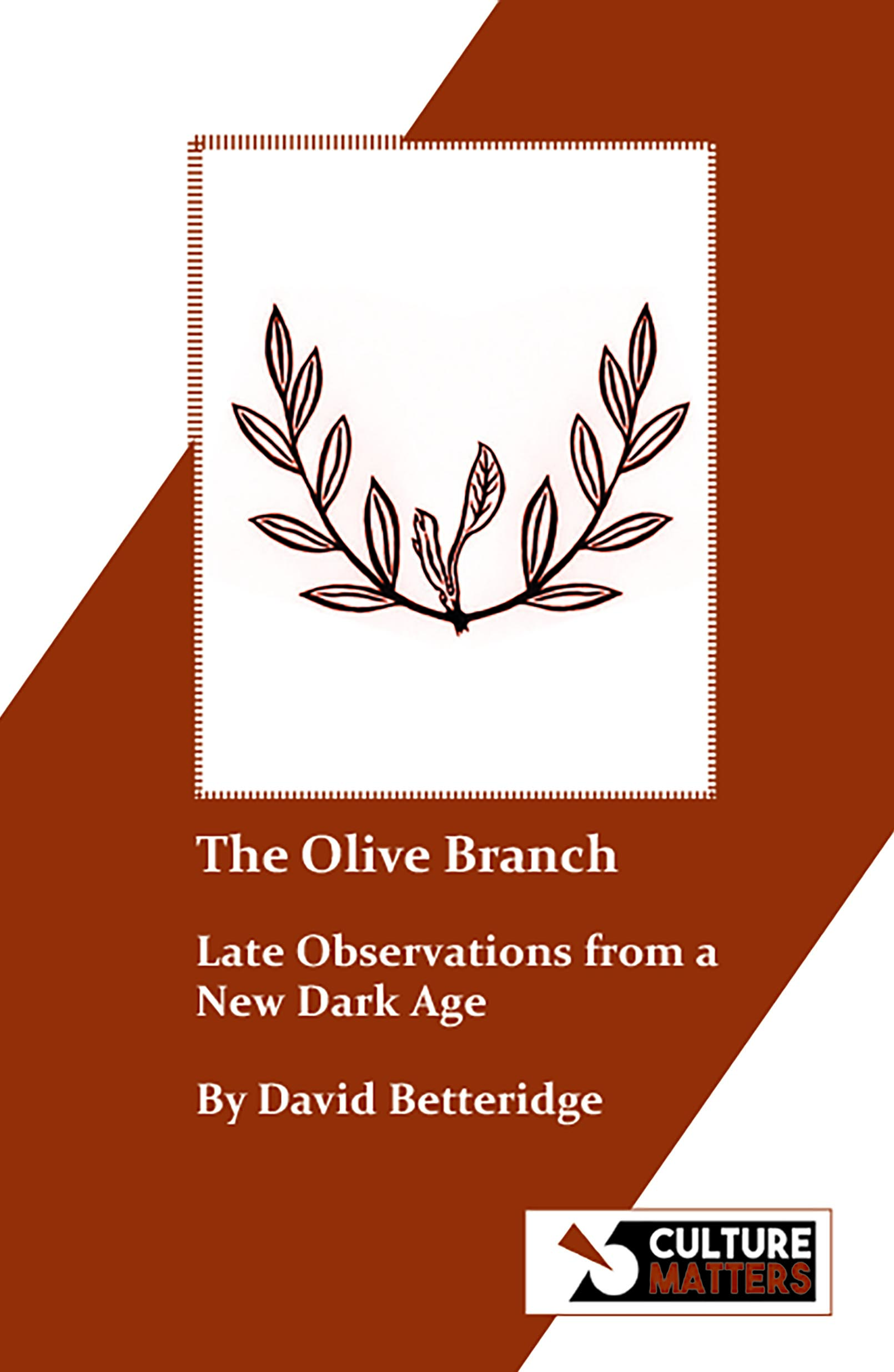
The book is available here
It was when I heard the news in February 2025 that Donald Trump and Benjamin Netanyahu had concocted a real estate plan for the rebuilding of Gaza that I wrote my first Gaza poem, Deliverance.
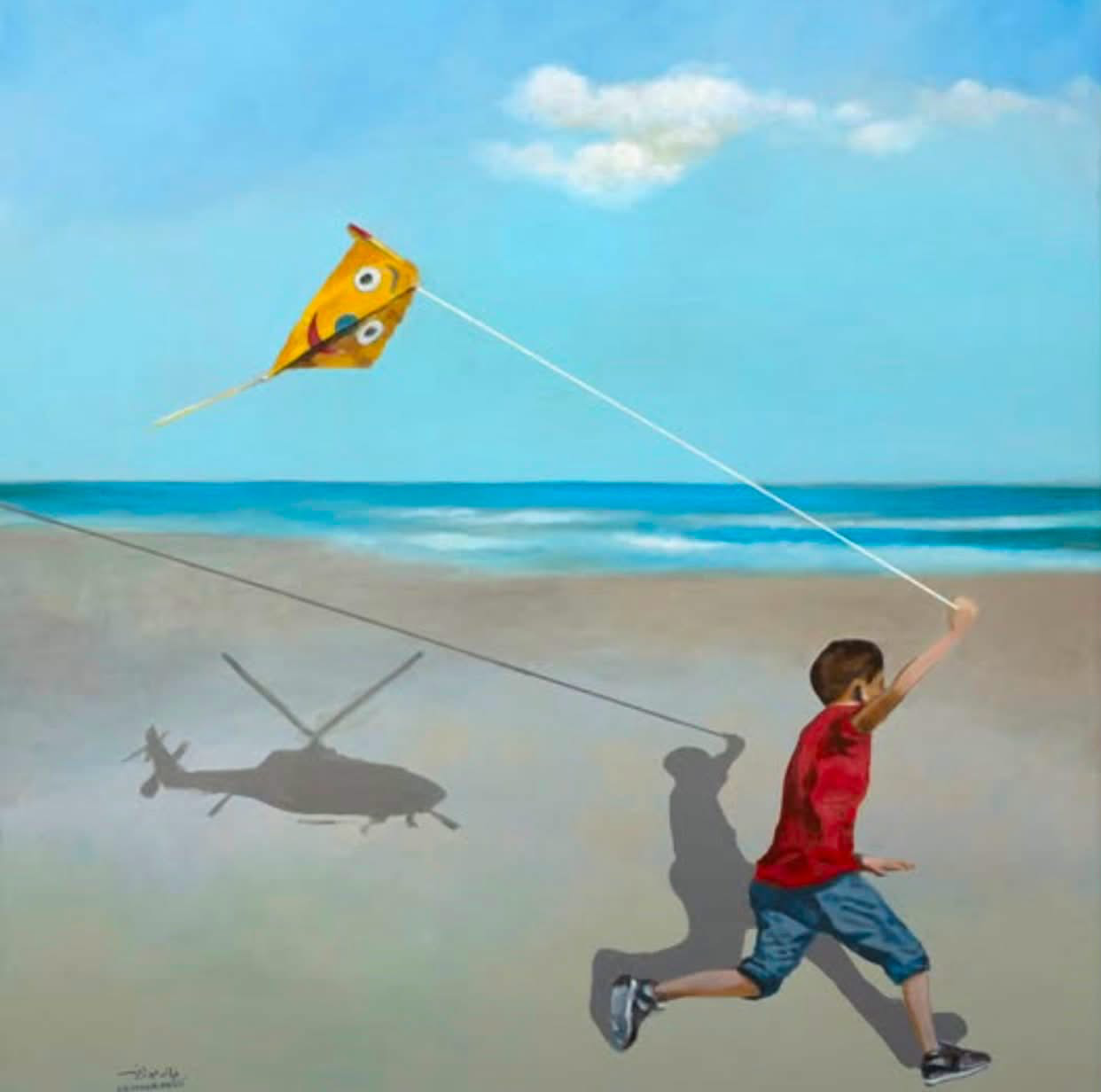
For me the creation of a “Riviera of the Middle East” was a horrific idea, smelling of slick tourism and ethnic cleansing. Since the current ceasefire that proposition has been quietly buried – but for how long? No one can quite decide on what reconstruction is best for the region. As for consulting the Palestinian people over new elections, excluding Hamas, and the formation of a government that represents what they want, well that remains a distant dream, for an Israeli occupation mindset still hovers like some drone itching to attack one more time.
I thought Deliverance would be a one-off poem for Gaza, but when a state of famine was officially declared and midsummer brought daily TV and radio accounts of the terrible conditions people were enduring, then I began to write a series of responses to the war. I’ve ended up with seventeen poems and two micro-fictions. Each day the conflict seared into me and I wrote at white heat. My intention was not to write overtly accusing poems that named and criticised Trump, Vance, Netanyahu and Hamas on every page or mention them at all. It was more to try and reach out and use words to empathise, as a very distant observer, with the cruel plight of civilians being systematically starved and bombed. Alongside of this are poems that take a more philosophical and historical overview of the war.
Many years ago I wrote a poem called Futility of My Own Great War. “To write sharply about a war I wasn’t sharply in, could never know.” Those opening lines were expressing my, and other writers, basic dishonesty for writing about war when they have no first-hand experience of war. Looking back, I think I was being absurdly hard on writers, for what is their great and obvious asset but the workings of imagination. I recalled Stephen Crane who wasn’t a war correspondent or a soldier during the American Civil War. His painfully realist novel The Red Badge of Courage was written some thirty years after the events. Crane’s meticulous research and great talent rendered so poignantly what soldiers experienced.
When I wrote my Futility poem about the supposed impossibility of writing convincingly about war, without war experience, I think I was wrong, too purist and afraid to take up the challenge. I have written other political poems. But I’m not a political poet. I’m a writer handling all kinds of fiction and poetry. The sheer relentless emotional impact on my senses from watching and reading about Gaza reached deep within me to provoke a humanitarian concern. It compelled me to act in my own way. I’ve not been on any demonstrations or marches for Palestine, but words have marched out of my head to land, in some kind of coherent order on the page to try and make sense of the Palestinians’ awful everyday suffering.
Of course writing about this conflict can make you feel impotent, depressed and loose hope. These poems are certainly tragic but not, I hope, consumed by despair. The affirmation of The Rescue, Dabke and Musical Defences sits along the anguish of The Last Hospital and Patching Up. And I wanted to bring an element of fantasy and the surreal into the picture: hence the absurdity of The Dogs of War a dialogue of two rival dogs; the fable narrative of a goddess presence in Presentiment and some horror movie imagery in Delivered by Hand.
I hope this collection succeeds in hitting the right chord of justified anger and focussed compassion. Read it and let me know.
Alan Price, montagers88@gmail.com
Evidence of War: A Response to Gaza, by Alan Price, ISBN 978-1-912710-98-0, 24 pps, £10