Image copyright of the author
By Dr. Abdulghani Al-Shuaibi
Beneath the bruise of war’s unyielding night,
The orphaned wind repeats the people’s cry;
Like sparks that leap from anvils into light,
Their wounded hopes refuse at last to die.
The streets, like scrolls of ash, record the flame,
Where iron boots have bruised the patient stone;
Each shattered door still whispers forth a name,
Each mother weaves her grief in undertone.
Yet rage, a river red with memory,
Moves through the dark with drumlike, steady breath;
It storms the walls of mute tyranny,
And plants wild seeds of dawn in fields of death.
For though the tyrant crowns the hour with scars,
The oppressed shall rise like daybreak after wars.
Dr Al-Shuaibi says:
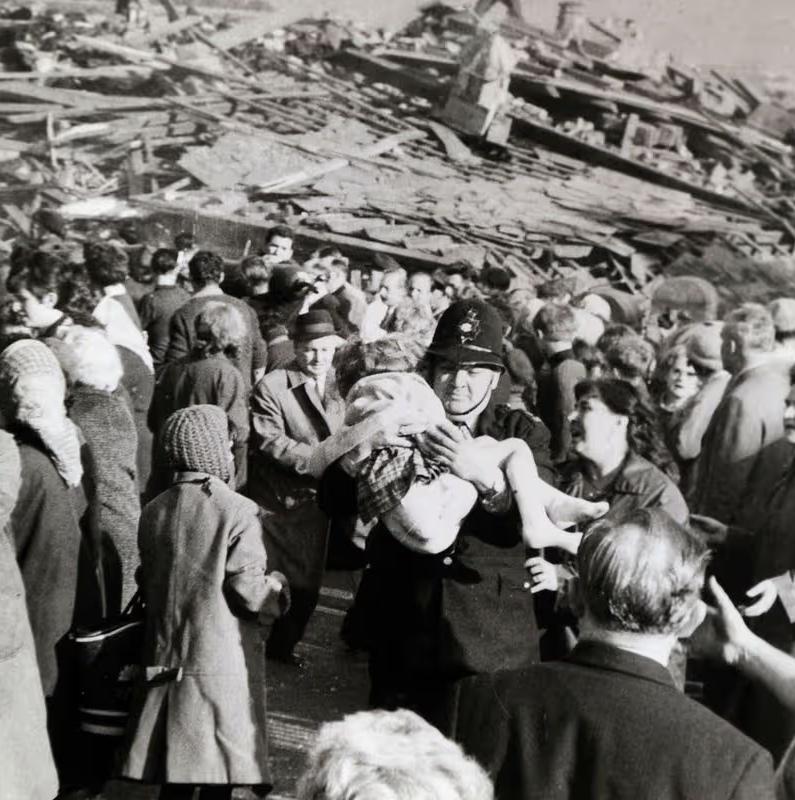
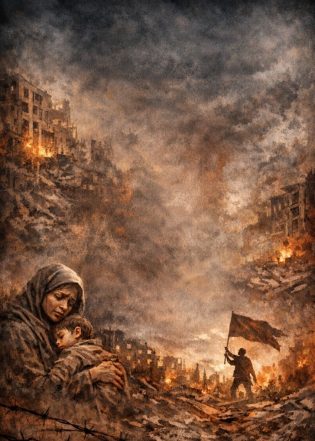
The poem “Epic Rage in Shadow of War” explores the enduring dignity of human resistance amid the devastation and moral darkness of war. The poem juxtaposes images of destruction, grief, and oppression with symbols of resilience, memory, and hope. Through vivid imagery and metaphor, war is portrayed as a force that scars landscapes and lives, while the collective voice of the oppressed emerges as a persistent moral and historical presence.
The central message of the poem emphasizes that even in moments of extreme suffering, the spirit of resistance cannot be extinguished. The poem frames rage not merely as anger but as a transformative moral force that sustains identity, memory, and the pursuit of justice. Ultimately, the closing couplet affirms a universal theme: tyranny may dominate temporarily, but the resilience of oppressed communities inevitably gives rise to renewal, dignity, and the promise of a new dawn.