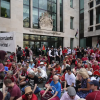
In 1986, over 5000 print and clerical workers from News International went on strike and were fired. The company owned four of Britain’s biggest and most influential newspaper titles: The Times, The Times on Sunday, The Sun and News of the World. The resulting dispute lasted for over a year and the company’s new printing facility in Wapping, East London, was the site of continuous picketing and
protests.
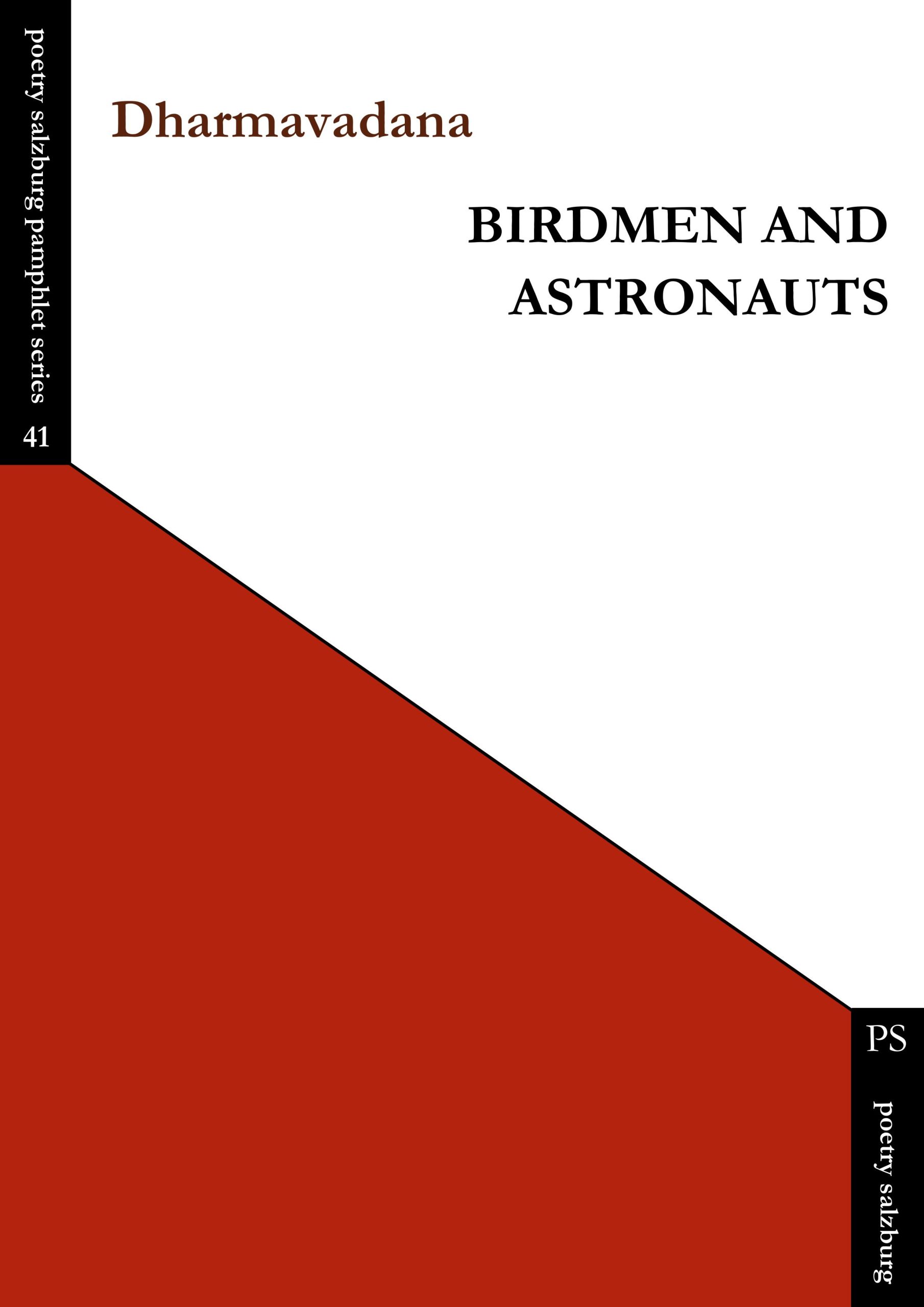
In this new collection of poems and images, Sam Kemp vividly memorialises the struggles at ‘Fortress Wapping’. It is available here as a book and here as an ebook.
‘Poetry has long been used to give voice to conflict, struggle, and change, and in this collection Sam Kemp has brought history back to life in a gritty, visceral and compelling way. Through these poems and images, I find myself transported back in time to Fortress Wapping, and the events that occurred in Docklands almost 40 years ago. If you were not there, you will also feel that you were there, too.’
— Nic Outridge, photographer
Here is Sam Kemp’s Introduction to the book:
In 1986, over 5000 print and clerical workers from News International went on strike and were fired. The company owned four of Britain’s biggest and most influential newspaper titles: The Times, The Times on Sunday, The Sun and News of the World. The resulting dispute lasted for over a year and the company’s new printing facility in Wapping, East London, was the site of continuous picketing and protests. But the company was well prepared. The facility was surrounded by high fences topped with thousands of metres of barbed wire and a sophisticated CCTV system, and huge police numbers helped to clear the roads so that papers could be distributed. The site was built to be picket-proof, and was nicknamed Fortress Wapping.
I work at a university situated in the nearby St Katherine’s Docks and I wander over to the site of Fortress Wapping on my lunch breaks. The company moved out in 2012 and the footprint, big enough to have had its own postcode, E98 1XY, is now blocks of half-built high-rise flats. There are some cafes and small tech companies and a huge concrete concourse with rows of water jets which children jump around in the summer. Some trees provide shade and a waterway lined with seating borders the development. A huge living wall lined with plush greenery towers over a playground which spans the width of the complex. On one trip I reached out to touch a plant and a construction worker shouted out IT’S FAKE. In a quiet corner, a tall brick wall, part of the original docklands boundary, contains the only remnant of the Fortress, a coil of bladed razor wire strung out on a rusting pole.
Me, a colleague, Dr Amil Mohanan, and our research assistant Izi Snowdon started a sprawling research project where we mapped out the events of the dispute. We spent a summer walking around Wapping, lining up news footage, union newspaper articles, and photos with the brightly regenerated streets and housing of this historically deprived area. It started as a project about automation and labour, and became about power and the discrepancy of place.
We spoke to printworkers and union officials. We visited the Printworkers’ Archive held at the Marx Memorial Library in Clerkenwell and searched through the workers’ literature. They produced newspapers, flyers, and pamphlets throughout the dispute. They shared stories and tactics of the picket line and wrote articles which investigated the police violence and Company movements, as well as comics and sketches of prime minister Margaret Thatcher and media tycoon Rupert Murdoch, who owned News International. There’s parody and poignancy in equal measure, and poetry which tells the story better than any academic study.
Wellclose Square, where police horses charged pickets, is now busy with the playground screams of a primary school. The gate to the Fortress, a focal point of much of the protest, is a freshly paved set of steps in front of a series of art installations listing the various goods transported through the docklands: ice, brine, oxen, whisks for brooms, sword blades, pickles and old rope. They missed out the armoured busses, women’s marches, refusenik journalists, attacks on press, roadblocks and snatch squads.
Poetry may seem like an unlikely form in which to explore industrial relations, but any conflict is about narrative and language; the stories we tell ourselves and the stories which are told about us. Fortress Wapping is the shape of these stories, the now invisible centre of a media empire which trades in language.
…….and here is a collaged poem from the book…..