Jenny Farrell explains how Leviathan reveals the nature of capitalism.
The dystopias of the mid-20th century, Brave New World (1932) and Nineteen Eighty-Four (1949), described with astonishing accuracy the world we live in today: thought police, news speak, genetic engineering, escapist drugs and a cinema that conditions people not to think about the kind of society they inhabit. Their films, in Brave New World, are aptly called ‘The Feelies’.
Anybody with a passing awareness of our own mainstream cinema realises that this is exactly what we have today. The ‘movies’, as opposed to ‘thinkies’, which dominate all our screens present us largely with private, relationship issues, mainly either set in or seen from the middle class perspective, and most definitely resolvable within existing society. Where issues of race or gender are addressed, from the safe distance of historical perspective, we the audience are reassured that we would have acted in an ethical, in fact radical way, if only we had lived at that distant time. And of course all is well now, we are assured and can leave the cinema affirmed in our self-righteousness.
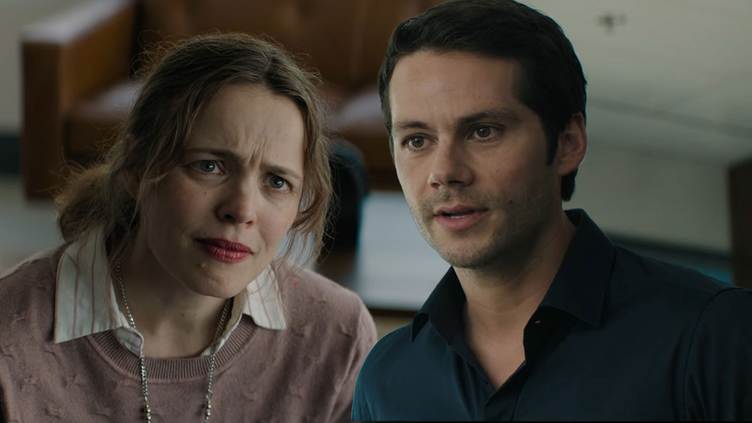
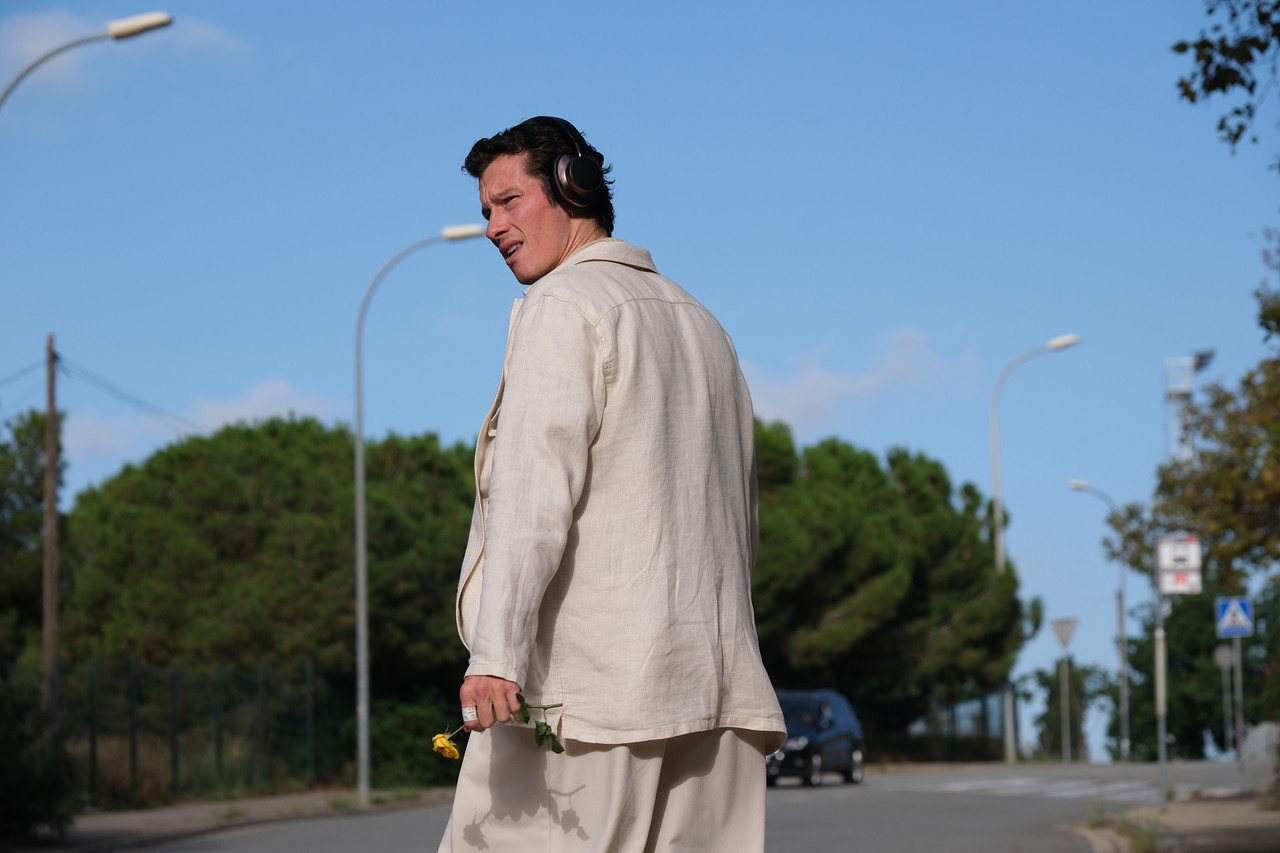
Not so with some recent Russian films – rarely screened in Western cinemas. One of these is Leviathan, by Andrey Zvyagintsev. Its title brings to mind two things. First, the Bible’s Book of Job, where Leviathan is described as an enormous, all-consuming sea monster. Secondly, the title evokes Thomas Hobbes’s 17th c treatise on the State, ‘Leviathan’, advocating the need for a strong State at the time of the English Revolution, including the alliance between State and Church as the best and most reasonable form of government for the people.
Zvyagintsev adds to this equation the story of US Marvin John Heemeyer, who in 2004, frustrated over a failed zoning dispute, ploughed his bulldozer into the town hall, a former mayor’s home and other buildings in small-town Granby, Colorado. Zvyagintsev, however, sets the film in the culture he knows best – Russia. He changes details of the plot, while revealing the nature of a Leviathan society.
This film was gleefully hailed in the West as a film about corrupt Russia. It was even awarded the Golden Globe. It was condemned in Russia as anti-Russian. Both angles miss the point. The film exposes the mechanisms of capitalist society and its destruction of ordinary people, their lives, and their happiness. It exposes how little power, what scant hope for justice working people have when faced with the combined power of politicians, the judiciary and the Church. It is difficult to think of a recent Western film, outside of Ken Loach’s work, that presents the very nature of capitalism with such radical honesty and incredible cinematography. In that sense, the film is not only about Russia but at the same time about the inhuman system that is capitalism – anywhere.
Of course, its detail is Russian, no film can or should be made in abstractions. Films, like all artwork, deal in individual lives. Zvyagintsev’s film associates the greater context through its title. He also uses the landscape on the edge of the world: the Barents Sea bordering on the Arctic Ocean, frozen landscapes, wrecked boats and the skeleton of a blue whale to emphasise this more encompassing scope. Yet, the story is rooted deeply in the everyday minutiae of ordinary, working people’s lives. The film shows how the monster devastates this. There seems to be little hope for humanity. Perhaps some slight courage may be taken from the fact that a friend of the protagonist has the potential to challenge the beast. In Leviathan, this path is thwarted and seems unlikely, yet it is there. The fact that the film itself makes a statement about the Leviathan, too, is important.
Leviathan struck close to the bone in Russia, where despite everything, art is clearly still understood as a serious comment on society. The cultural ministry was outraged and indeed censored its ‘profanities’, amputating the film. It also questioned the right of such a film to taxpayers’ financial support. (Films clearly still receive state subventions!) Zvyagintsev himself called on people to watch the illegally copied film online in places where it was not shown in cinemas. The film’s impact was such that civic leaders and Orthodox priests and bishops of Samara called on the Minister of Culture to sack Valery Grishko, the actor who plays the bishop in the film, from his position in the state-sponsored theatre. The “image created by this actor is a cynical and dirty parody on Russian orthodox bishops, it offends the believers and in its essence is nothing else other than blatant mockery of Russian State and the principal religious confession of our country — The Holy Orthodoxy.”
To turn to ‘real life’: at the time of writing, there is an ongoing, growing truck drivers’ strike in Russia (since 27 March 2017). It demonstrates an awareness and readiness to fight against the insatiable appetite of the Leviathan. Leviathan and other recent Russian films help their viewers identify those who would rather send them to ‘The Feelies’ and remain hidden. By describing present day Russia, however, they reveal the nature of capitalism. Understanding this, is a prerequisite to change. As Rosa Luxemburg said, “the first revolutionary act is to call things by their true names.” We need films like this.