Facebook Twitter Instagram
  • Home
  • About Us
  • Arts Hub
    • Architecture
    • Fiction
    • Films
    • Life Writing
    • Music
    • Poetry
    • Theatre
    • Visual Arts
  • Culture Hub
    • Clothing & Fashion
    • Cultural Commentary
    • Eating & Drinking
    • Education
    • Festivals/ Events
    • Religion
    • Science & Technology
    • Sport
    • TV, internet and other media
  • Contributors
  • Books
  • E-books
  • Support Us
0 0
Shopping cart (0)
Subtotal: £0.00

Checkout

Free delivery in the UK.

  • Home
  • About Us
  • Arts Hub
    • Architecture
    • Fiction
    • Films
    • Life Writing
    • Music
    • Poetry
    • Theatre
    • Visual Arts
  • Culture Hub
    • Clothing & Fashion
    • Cultural Commentary
    • Eating & Drinking
    • Education
    • Festivals/ Events
    • Religion
    • Science & Technology
    • Sport
    • TV, internet and other media
  • Contributors
  • Books
  • E-books
  • Support Us
Facebook Twitter Instagram
0 0
0 Shopping Cart
Shopping cart (0)
Subtotal: £0.00

Checkout

Free delivery in the UK.

Return to previous page
Home Blog Arts Hub Theatre

Wonderland

Wonderland

26 February 2018 /Posted byRoss Bradshaw
Post Views: 2,723

Ross Bradshaw reviews a recent play at the Nottingham Playhouse about the 1984 Miners’ Strike.

Wonderland, written by Beth Steel, was the first play of the new artistic director at Nottingham Playhouse, Adam Penford. It ended with a full house and an almost completely standing ovation. It was, I gather, not the first ovation during the run.

Wonderland was set during the lead up to and throughout the year of the miners’ strike of 84/85. Much of the play was set underground with a terrific set by Morgan Large which gave you both the sense of grandeur in some of the big halls underground, and the claustrophobia of the lifts taking miners to the coal face.

Like many in the audience, I was around during the strike in Notts., and knew how it ended, but the play’s and the strike’s turning points still kept me tense. In fact knowing what would happen created more tension, such as when the police waved pickets through to Orgreave. We all know now it was an ambush. There were people in the audience last night who had been at Orgreave on the day.

The whole play was well acted. The Tory wet, Peter Walker, conflicted over doing a job he only half believed in was, perhaps, the stand out. But the group of miners, from hardened men with their pension in sight to new, nervous recruits, played so well. I had not picked up in advance they had to sing and dance, at the same time as looking like they were people who worked hard, smeared in filth. Naomi Said, the Movement Director, deserves credit for the choreography on stage.

The creepy David Hart was, perhaps, played too much for laughs and being identified as a Jew (which he was not, other than by his father’s family history and his experience of anti-Semitism at Eton)
made me uncomfortable. But yes, he was creepy like that in real life and, like the incoming “butcher” NCB director Ian MacGregor – and the working Notts miners, for that matter – he was considered expendable in the end by Margaret Thatcher.

Being Notts., of course, most NUM members did not strike, and some who did were starved back before the end. The arguments on the picket line were intense, and you felt for the young lad who’d had to kill his dog because he could no longer afford to feed it. Eleven months in, people had sold everything they could sell.

The play was not all grim. Pit humour was good. The best laugh was when a car load of pickets were stopped and, knowing they would not get through anyway, and said to the police they were Morris dancers. At the end, the cast individually mentioned some of the stories – of those who had died during the strike, including the three children who’d lost their lives scavenging for coal. The three miners who had committed suicide. The taxi driver who was killed taking a scab to work. The striker David Jones, killed at Ollerton on the picket line. The devastation of the communities left behind.

The audience rose and saluted the cast, and they dropped down Welbeck NUM banner, where the writer’s dad had been a miner. As I stood I was thinking of loyal NUM members I know like Eric Eaton, Keith Stanley and Brian Walker, who died a few weeks back, and others I’d met in what is now the Notts Retired and Ex-Miners group. And four women, active in the strike, all now dead – Liz Hollis (who killed herself during that year), Pat Paris, Ida Hackett and Joan Witham.

In discussion with friends, it is the absence of women that comes up. There is power play between Hart, Walker, MacGregor and the ideologue, Nicholas Ridley. Underground, and later on the picket line, there is the traditional miners’ camaraderie, a brutal reminder from the experienced “Bobbo”, played by Tony Bell, that every miner watches each other’s back (the symbolism of that statement is not lost) and a moving, even loving scene when the miners washed each others back, in the shower after a shift. This was a play about men, and men’s relationships. Yet women, in Notts and elsewhere, were visible in the strike, in the soup kitchens, on platforms and on the picket lines. At Welbeck as much as anywhere. A few lines in the play reflected this, but it would have been quite easy to include women on the picket lines without needing to change the nature of the production.

Still, a fantastic effort by the whole ensemble.

Wonderland has now finished at the Nottingham Playhouse, but may be touring elsewhere. For a short film which puts the role of women in the miners’ strike centre stage, see here.

Tags: Beth Steel, Miners' Strike 1984
Share Post
  • Twitter
  • Facebook
  • Pinterest
  • Mail to friend
  • Linkedin
  • Whatsapp
The Communist Manifesto: A Poe...
by Samuel Raynard
Towards a mindful cultural com...

About author

Avatar photo

About Author

Ross Bradshaw

Ross Bradshaw runs the radical Five Leaves Bookshop in Nottingham.

Other posts by Ross Bradshaw

Related posts

Arts Hub
Read more

Resisting rent-seeking capital through working-class solidarity: a review of ‘The Marsh’, by Anna Robinson

Posted byNick Moss
Post Views: 331 Commons image from the London Picture Archive By Nick Moss On 18 January, an audience at The Cockpit theatre enjoyed a read-through... Continue reading
Arts Hub
Read more

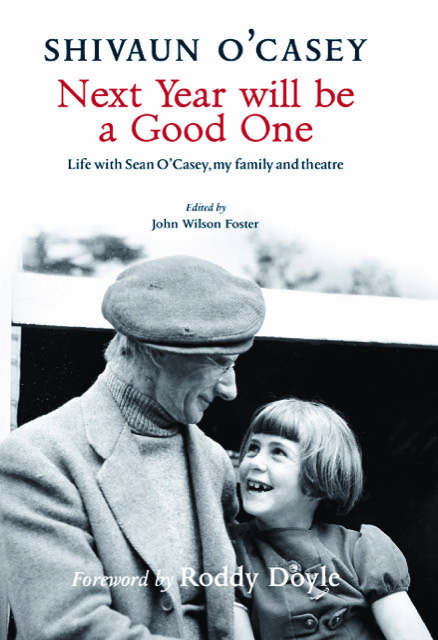
Shivaun O’Casey’s intimate portrait of family, art, and communism

Posted byJenny Farrell
Post Views: 783 Book available here By Jenny Farrell Sean O’Casey’s only daughter and now sole surviving child, Shivaun, has given the worldwide O’Casey community... Continue reading
Arts Hub
Read more

Theatre of the here and now: ‘The good landlord’

Posted byJames O Brien
Post Views: 564 The Good Landlord, by Ethan and Kalman Dean-Richards, Pound Road Productions By James O’Brien The living Hell of extortionate and excessive rent... Continue reading
Arts Hub
Read more

The political power of Palestinian theatre

Posted byHossam Almadhoun
Post Views: 4,071 An audience at Basma Theatre, now in Gaza By Hossam Almadhoun Culture is not a luxury but a form of resistance. –... Continue reading
Poetry
Read more

Obituary for Tony Harrison, socialist poet of film and stage (30 April 1937 – 26 September 2025)

Posted byAlan Morrison
Post Views: 1,003 By Alan Morrison Prolific socialist poet, playwright and verse-dramatist Tony Harrison passed away yesterday aged 88. His many works included The Loiners... Continue reading

Categories

  • About us
  • Architecture
  • Arts Hub
  • Clothing & Fashion
  • Cultural Commentary
  • Culture Hub
  • Eating & Drinking
  • Education
  • Festivals/ Events
  • Fiction
  • Films
  • Life Writing
  • Life Writing
  • Music
  • Poetry
  • Religion
  • Round-up
  • Science & Technology
  • Sport
  • The 1917 Russian Revolution
  • Theatre
  • TV, internet and other media
  • Visual Arts
Recent Popular

Bombs and Banalities

3 March 2026 Comments Off on Bombs and Banalities

How are these lambs?

3 March 2026 Comments Off on How are these lambs?

Our Culture: Our history, their risk assessment ...

2 March 2026 Comments Off on Our Culture: Our history, their risk assessment – Why the grade listed buildings of today are the Lidls of tomorrow 

Utopia Under Control – Masculinity, Dress Codes ...

1 March 2026 Comments Off on Utopia Under Control – Masculinity, Dress Codes and the Architecture of Access

Contributors to Culture Matters

17 October 2017 Comments Off on Contributors to Culture Matters

The radical imagery of William Blake

2 March 2021 Comments Off on The radical imagery of William Blake

Music and Marxism

7 June 2016 Comments Off on Music and Marxism

When the Council owns the building you ...

1 December 2024 Comments Off on When the Council owns the building you live in

Tags Cloud

bbc Black Lives Matter Boris Johnson Brecht communism Covid19 Cultural democracy cultural struggle Donald Trump English Revolution Gaza Gaza genocide Genocide in Gaza George Orwell Hitler IDF Iran Israeli bombing Israeli war crimes jeremy corbyn Jesus Karl Marx Keir Starmer Levellers Marx marxism Miners' Strike Miners' Strike 1984 Netanyahu Netflix Palestine Action poetry Raymond Williams Reform UK refugees Rishi Sunak Russian Revolution Shakespeare socialism Spanish Civil War Starmer Starvation in Gaza by Israel Trump Ukraine william morris

Search

Print

follow us on our Social Networks

Facebook Twitter Instagram Youtube

Copyright © 2016 - 2024 Culture Matters Co-operative Ltd; FCA Registration No: 4347; Registered office: 30 Glenbrooke Terrace, Gateshead, NE9 6AJ. All rights reserved.

Home
Support Us
Books