On general release
By Rita Di Santo
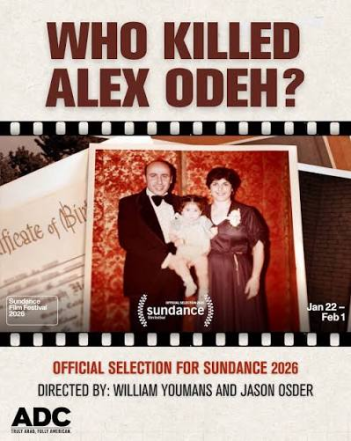
Presented at the El Gouna Film Festival, Who Killed Alex Odeh is a powerful and poignant documentary by directors Jason Osder and William Laith Youmans. This gripping film delves into the political assassination of Palestinian-American activist Alex Odeh in Santa Ana, a case shrouded in mystery and injustice.
Despite the decades that have elapsed, Odeh’s family continues to seek closure, as the individuals believed to be responsible for this heinous crime remain unidentified. Odeh was not only a dedicated teacher and poet but also the western regional director of the American-Arab Anti-Discrimination Committee, passionately advocating for peaceful coexistence.
Tragically, he became the target of a devastating bomb attack in his office one fateful morning. Now, over 40 years later, the quest for accountability for this brutal act remains unresolved, leaving a haunting legacy of loss and unanswered questions.
The film employs archival footage alongside contemporary investigations to explore the circumstances surrounding Odeh’s murder. It highlights the persistent issues of racism against Arab Americans, religious discrimination, and political intimidation that plagued the 1980s and continue to resonate today.
Emotionally powerful and rich in detail, the documentary presents a sharp and lucid investigation that not only brings Odeh’s story to life but also reveals the intricate dynamics at play, including the involvement of the FBI, the Jewish Defense League, and figures like Mark Khane. It evokes memories of the roots of today’s conflicts and the violent rhetoric directed against Arabs.
Utterly informative and objective, the film weaves together various elements, creating a narrative filled with tension and a broader political perspective that compels viewers to engage with the facts and piece together the evidence surrounding this tragic event.
Who Killed Alex Odeh serves not only as a historical account but also as a poignant reminder of the ongoing struggles for justice faced by marginalised communities. It urges us to confront the past and pave the way for a more equitable future.