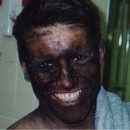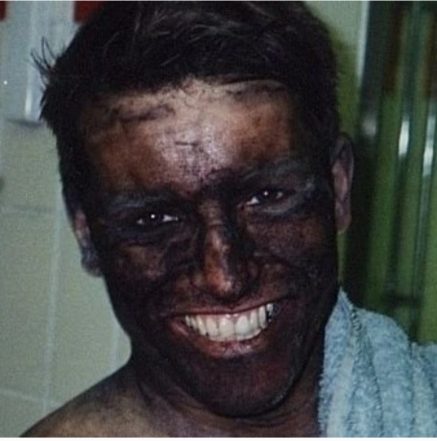
Roger Cornish was born the fifth of seven children to Coal Miner – Jack Cornish and Hosiery Worker Edna Cornish. He worked as a Coal Miner for 23 years. His dad was also a miner.
Roger started writing poetry as a kind of ‘therapy’ after losing his daughter aged 9 to Cystic Fibrosis.
Roger writes about desire, camaraderie, grief, class, faith lost and faith of a different kind found. He writes about what men do to women and what women survive. He writes about the mines as a place of brotherhood and danger and profound meaning. He writes about a Leicestershire that has largely disappeared — the back-to-backs, the pit wheels, the communities unmade by political decisions taken far away by people who had never gone underground.
Roger does not linger, does not sentimentalise, does not ask for sympathy. His instinct is always toward the precise image, the specific detail, the single line that does the work of everything — a friendship hewn in anthracite, a name sewn into a collar, homing pigeons that circle and never land. His influences are the landscapes and communities he inhabited rather than the literary tradition, and his voice is entirely and unmistakably his own. Roger is now retired and spends his time on his allotment and writing poetry.
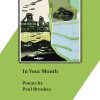
Poems By Roger Cornish
Like Mice – Like Men
The sun and sky, brutally quiet –
another industrial morning where
corrugated friendships gather
and sleep is wiped out the corner
of sad red eyes.
Hulks of corroded metal
hug the earth, while the
harshness of another day
is softened by comradely
joshing.
Shared crusts of bread are
washed down with ice
cold water, floaters rise
in the glass, like moths.
We grow with each other
aching arms – aching minds
and push forward against it
like mice like men.
Shelly
You could never
forget Shelly,
with his be-bop-a-lu-la
Gene Vincent at
six o’clock on
the manrider
train.
The flume of baccy
juice at his feet,
an act to the management,
“not too close
sunshine”,
“don’t step on my
men.”
Brothers underground –
carrying Tommy Collier
out the pit twice in a
week.
A camaraderie
I grieve to have
lost.
I wish I could have
spoken to him
in those last days,
joking
in his wheelchair,
running the nurses
ragged at 63.
I could have told him:
thanks for
pointing me the
right way,
thanks for the humility
the grace and honesty
of a real man –
for your hand at
my weakest time,
for your
truth
Shelly –
for a friendship
hewn in
Anthracite.
Now
the tools
all rodded up,
your snap box empty,
water gone.
Rest now mucca,
the ratch is won.
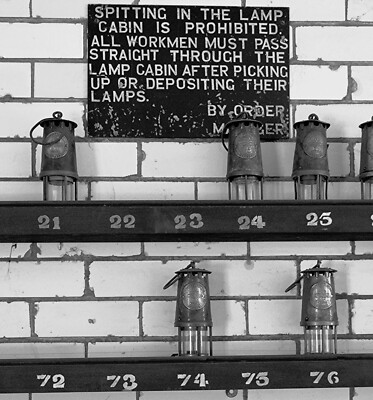
The Lamp Cabin
A first job – just
fifteen
amongst men
freed from a
crushed existence in
coalmines.
Old miners – now
cleaning lamps
filling Davy’s
with kerosene wiping
off the dust and clay.
Jack – with his toothless
smile and deformed
creased head –
some things you just
don’t ask.
Dusting
down the shelf’s
burning the lamps
of men not
turned in
today –
for what ever
reason.
It was Dixie I overheard
saying:
“The roofs bad on 101’s
Jack – real bad”
and violently spits
a plume of dark
tobacco juice onto the
hard floor-
me – just fifteen
years old wide eyed
a voyeur
to all their trepidations
and fears.
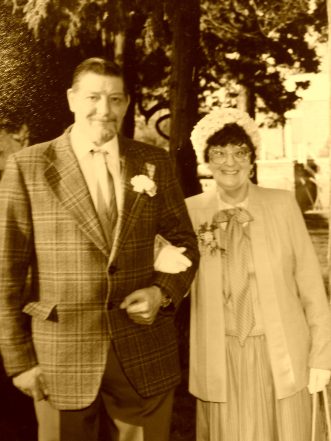
Mother
It wasn’t in the poverty
Of having to burn your shoes
To keep your children warm –
Nor in damp walls – or
Peeling wallpaper.
It wasn’t in the cutting-cutting
Draft through cracked windows
Under warped doors
The hunger pains
Or red runny nose’s.
It was witnessing your
River of sad silent tears
As you tried to protect me
In that moment our eyes
Met – in a before language –
Look.
It’s the desperate aching
That poverty feeds:
When you starve yourself
For others
Cutting slices of bread
Thin enough for seven.
You thought you gave us
Nothing – when you gave us everything:
Love.
Nursery rhymes from heart –
Shown us another world in
Misty drawings
Across cracked window panes.
Two hours before you died
Aged eighty two – much reduced –
Lying there so very small –
I whispered to you:
“The Owl and the Pussy Cat went-
To Sea in a beautiful…..”
And a single tear – a
Single tear – tracked down your
Cheek. Your last tear
And I kissed it away
Replacing it with one of my
Own.
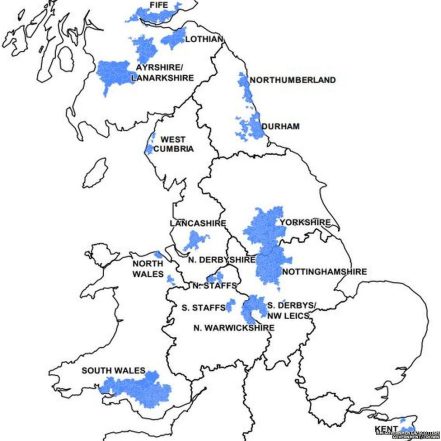
No Such Thing as Society
The mines have long
gone the empty
church bells
chime for
six o’clock
still
wet empty streets
dormant but
for the old man
stick and flat cap
heavily leaning on
a
pedestrian
barrier
the local with
boarded up
windows
stands another
shell in a lost
community
no children’s song
lifting in the
breeze no
smiling
mothers leaning
into
prams and
push chairs
nothing only
bullet grey
sky and
memories
of the old days
full of stories
when people had
hope.
Voices in the trees
You can hear them, hear them
in the fossils underfoot
beneath us, underneath us,
in the rich carboniferous seams
trapped with the ferns, the brackens
of prehistoric times. Hear them in
the village names, Silverdale,
Calverton, Bilsthorpe, their souls
remain, listen to them,
listen to their voices – the
wind in the trees you can hear
them, calling, calling.
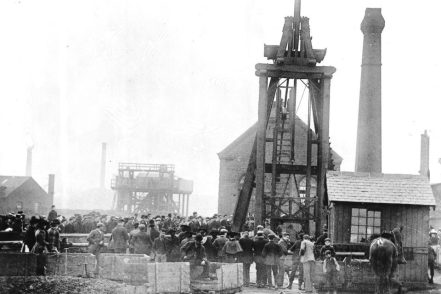
Roger has also written a poem on the Whitwick Colliery disaster in Leicestershire (19th April 1898). You can read the poem and the related information here.