Facebook Twitter Instagram
  • Home
  • About Us
  • Arts Hub
    • Architecture
    • Fiction
    • Films
    • Life Writing
    • Music
    • Poetry
    • Theatre
    • Visual Arts
  • Culture Hub
    • Clothing & Fashion
    • Cultural Commentary
    • Eating & Drinking
    • Education
    • Festivals/ Events
    • Religion
    • Science & Technology
    • Sport
    • TV, internet and other media
  • Contributors
  • Books
  • E-books
  • Support Us
0 0
Shopping cart (0)
Subtotal: £0.00

Checkout

Free delivery in the UK.

  • Home
  • About Us
  • Arts Hub
    • Architecture
    • Fiction
    • Films
    • Life Writing
    • Music
    • Poetry
    • Theatre
    • Visual Arts
  • Culture Hub
    • Clothing & Fashion
    • Cultural Commentary
    • Eating & Drinking
    • Education
    • Festivals/ Events
    • Religion
    • Science & Technology
    • Sport
    • TV, internet and other media
  • Contributors
  • Books
  • E-books
  • Support Us
Facebook Twitter Instagram
0 0
0 Shopping Cart
Shopping cart (0)
Subtotal: £0.00

Checkout

Free delivery in the UK.

Return to previous page
Home Blog Culture Hub Religion

Maternity and Revolution

Maternity and Revolution

26 May 2024 /Posted byTerry Eagleton
Post Views: 2,576

Professor Terry Eagleton discusses the revolutionary politics of the meeting of Mary and Elizabeth, the mothers of Jesus and John the Baptist. Image above: The Visitation, by Lorenzo Maitani and Associates, Orvieto cathedral

The dramatist Edward Bond speaks in the preface to his play Lear of the ‘biological expectations’ with which we are born – the expectation that the baby’s ‘unpreparedness will be cared for, that it will be given not only food but emotional reassurance, that its vulnerability will be shielded, that it will be born into a world waiting to receive it, and that knows how to receive it’. This, Bond suggests, would signify a true culture, which is why he refuses to use the term of contemporary capitalist civilisation. Politics begins in the maternity unit.

The beginning and end of life are linked in various ways. There are, for example, those who are born for death. In an astonishing scene in the first chapter of his gospel, Luke stages an encounter between Mary and her cousin Elizabeth. Both women are pregnant, though neither is an image of conventional domesticity. Elizabeth is beyond the usual childbearing age, while Mary is a virgin who has conceived a child. This has happened, so the gospel of St. John tells us, ‘not by the will of man’, so that Mary falls outside the patriarchal set-up of first-century Palestine. The child in her womb is the fruit of a love more powerful and all-encompassing than the marital kind.

DARET Jacques Visitation

Visitation by Jacques Daret, c. 1435

When Elizabeth sets eyes on Mary, the child in her womb leaps for joy. He won’t, however, be joyful for all that long. He grows up to be John the Baptist, a wild-looking, hippie-like figure like a refugee from Woodstock who hangs out in the desert on a diet of locusts and honey, and whose wrathful prophecies panic the political establishment into beheading him. The child Mary is carrying will also grow up to be executed, though in his case by the occupying Roman power. He, too, is disposed of as a potential threat to the state. Neither man has much time for the family, an institution of which Jesus is consistently critical. His mission takes precedence over domestic bonds, and he is notably brusque with his kinsfolk.  He has come, he declares, not to unite families but to turn their members against each other.  Both men are vagrant, celibate, without home, property, profession or much of a future.

Even so, the tone of Luke’s account is triumphant. Mary and Elizabeth do not talk about breast feeding or morning sickness but revolutionary politics. In a sisterly dialogue, the younger woman responds to her cousin’s greeting by bursting out joyfully with a passage from the Hebrew Scriptures. Perhaps she sings and dances as she does so. Yahweh, she announces, ‘has brought down the mighty from their thrones, and raised up the lowly; he has filled the hungry with good things, and the rich he has sent empty away’.

As an obscure young woman from a notoriously backward part of Palestine, Mary is comparing her own elevation as mother of Jesus to the raising up of the poor.  Her pregnancy is a sign of the victory of the anawim, the humble and despised of the world. Some New Testament scholars have claimed that the words which Luke puts into Mary’s mouth here are part of a Zealot chant, the Zealots being underground anti-imperial insurrectionists. There were probably a few of them in Jesus’s entourage. Whether or not Mary’s words are Zealot-inspired, they are almost a cliché of the Jewish Scriptures. You will know Yahweh for who he is when you see riches lavished on the downtrodden. The only authentic power is one which is born of weakness.

Artemisia Gentileschi Mary Magdalene in Ecstasy

Mary Magdalene in Ecstasy, by Artemisia Gentileschi

Women as a whole belonged to the dumped and discarded of Jesus’s age. The other prominent Mary in the Gospels is Mary Magdalene, who despite the fact that she may have been a sex worker is granted the privilege of being among the first to discover that Jesus’s tomb is empty. This is a daring move on the evangelist’s part, since the testimony of women was dismissed at the time as worthless. Questions of maternity, sexuality, sexual reproduction and so on are nowadays regarded as political issues, but they were not considered such when Luke was writing. (He may have been a physician on the staff of St. Paul, and so would know something about pregnancy).  Despite this, the (probably fictional) scene he sets up strikingly prefigures the political landscape of the present. Once again, politics begins with maternity. One might add that Mary as mother is the subject of some of the most beautiful lines W.B. Yeats ever wrote:  

      What is this flesh I purchased with my pains,
      This fallen star my milk sustains,
      This love that makes my heart’s blood stop
      Or strikes a sudden chill into my bones
      And makes my hair stand up?  
                                             

–  from‘The Mother of God’  by W. B. Yeats 

Tags: Gentileschi, Jesus, John the Baptist, Mary, Mary Magdalene, Yeats
Share Post
  • Twitter
  • Facebook
  • Pinterest
  • Mail to friend
  • Linkedin
  • Whatsapp
Your Solidarity be Praised: Re...
Great art exhibition, shame ab...

About author

Avatar photo

About Author

Terry Eagleton

Terry Eagleton  is an English literary theorist, critic, and public intellectual.

Other posts by Terry Eagleton

Related posts

Culture Hub
Read more

COMMUNION WITH EACH OTHER: A CHRISTIAN SOCIALIST COMMENTARY ON THE TRINITY

Posted byGeoff Bottoms
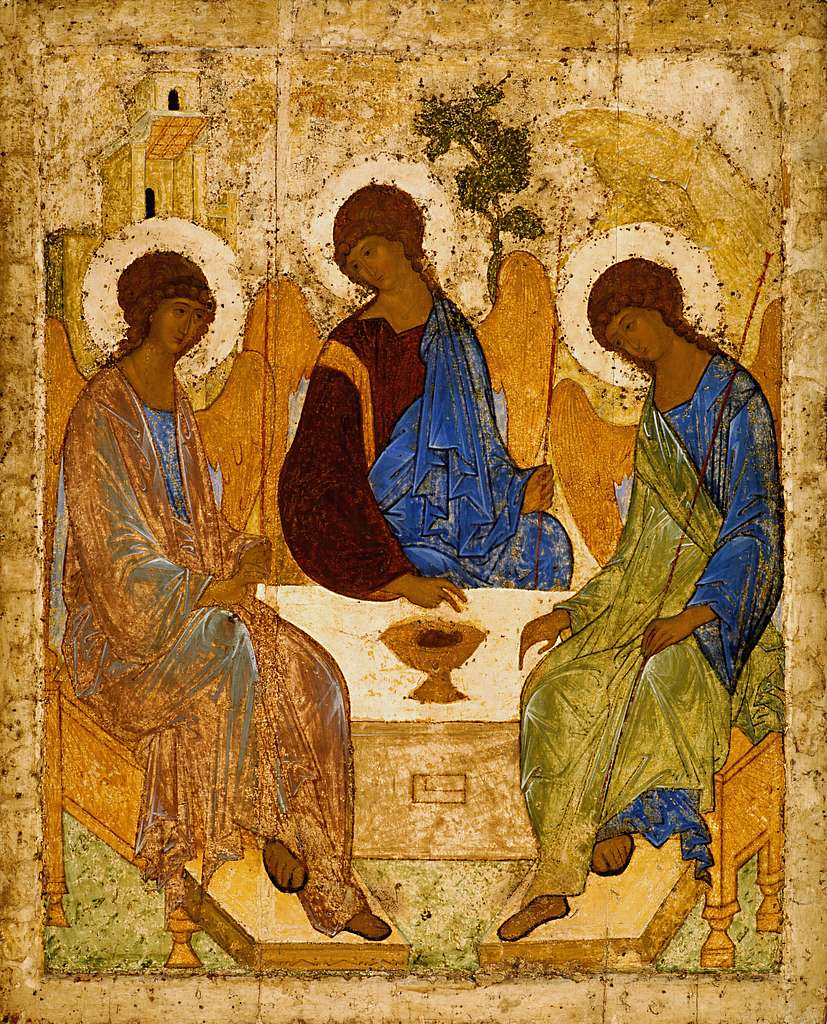
Post Views: 329 The Trinity, by Andrei Rublev By Geoff Bottoms In Genesis chapter 18 verses 1 – 8 God appears to Abraham as three... Continue reading
Culture Hub
Read more

I was a refugee and you welcomed me: A CHRISTIAN SOCIALIST COMMENTARY ON THE ASCENSION AND PENTECOST

Posted byGeoff Bottoms
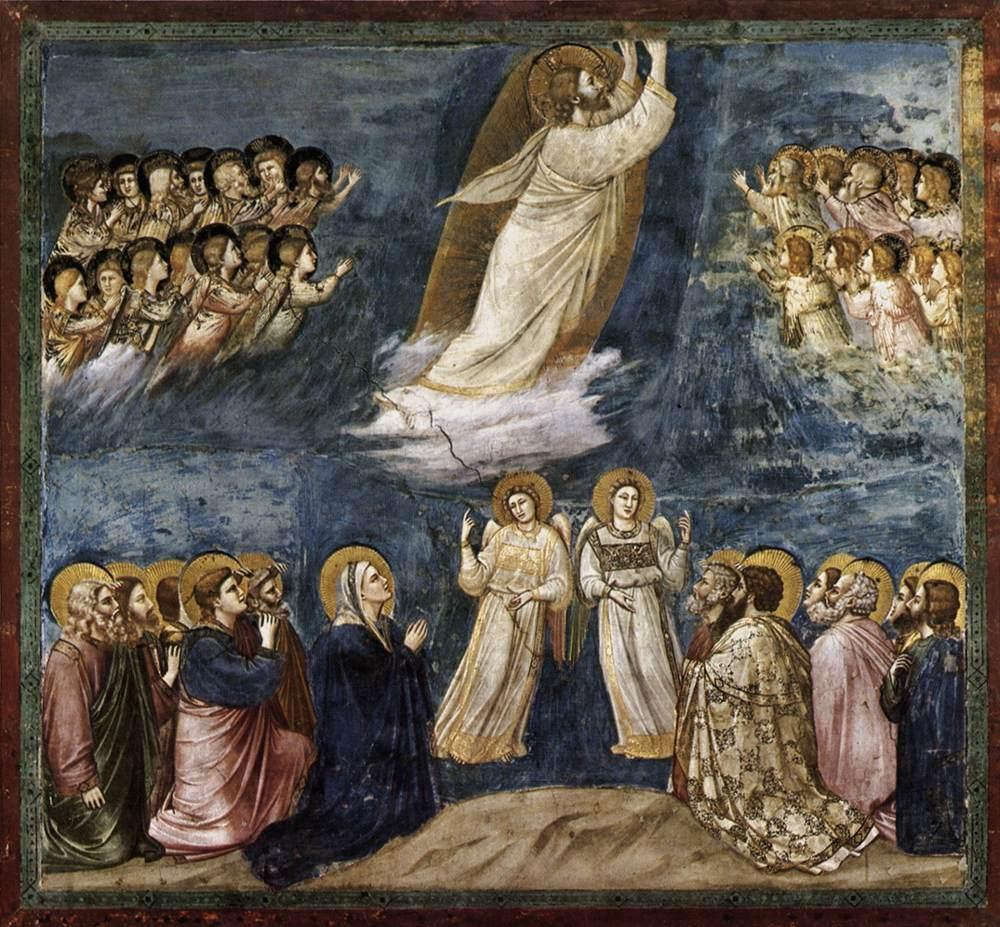
Post Views: 334 By Geoff Bottoms Only in Luke’s Acts of the Apostles, recording the very earliest days of the infant church, do we get... Continue reading
Arts Hub
Read more

We Are Church International: tentative steps towards cultural democracy in the Roman Catholic church

Posted byGeoff Bottoms
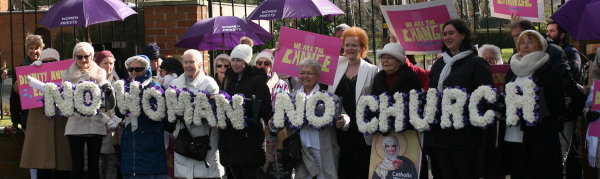
Post Views: 372 By Geoff Bottoms If you thought that the Social Teaching of the Catholic Church was its best kept secret, then the international... Continue reading
Culture Hub
Read more

WE ARE AN EASTER PEOPLE AND ALLELUIA IS OUR SONG

Posted byGeoff Bottoms
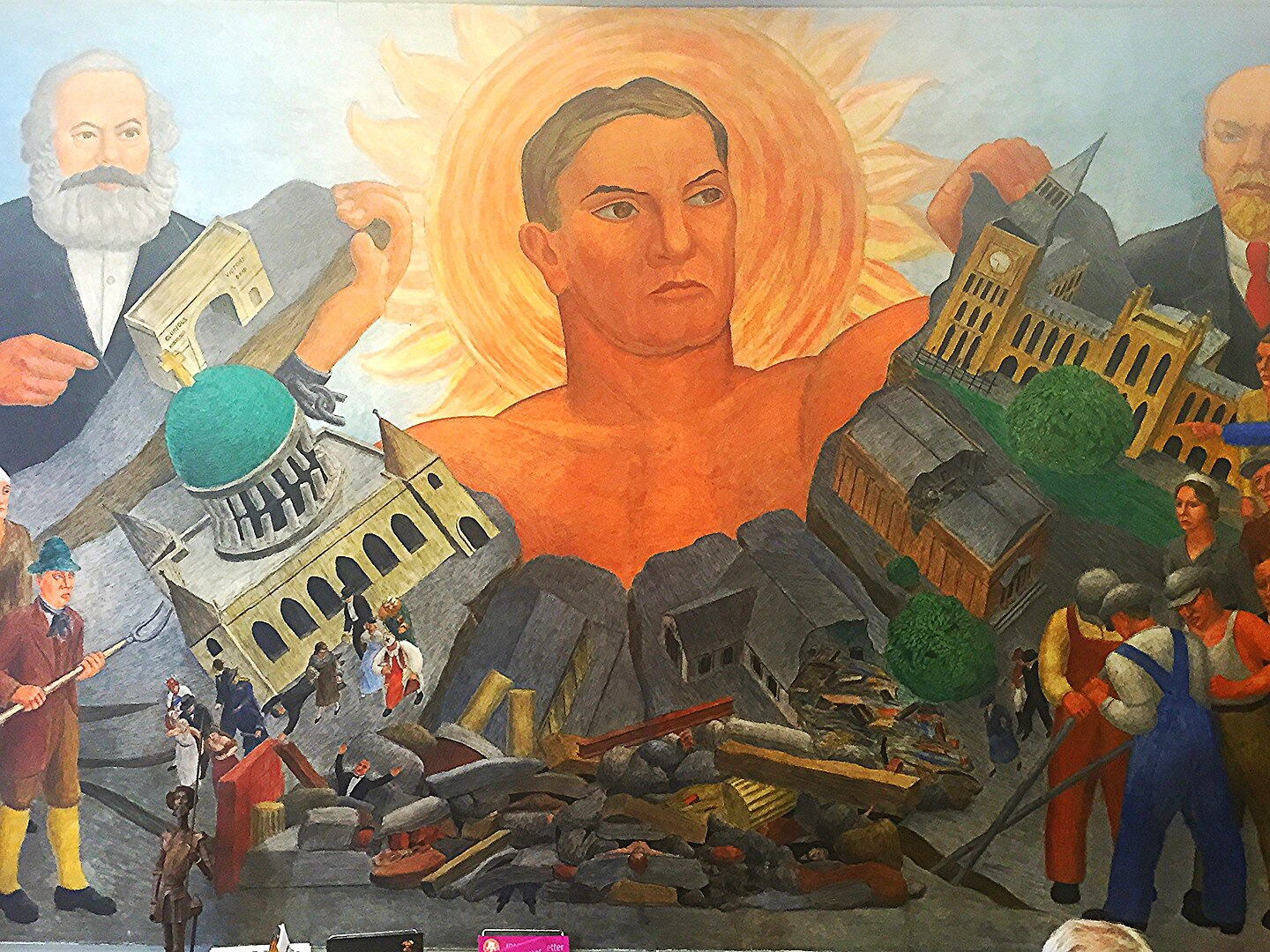
Post Views: 477 The Worker of the Future Overthrowing the Chaos of Capitalism (1935) fresco by Viscount Jack Hastings at the Marx Memorial Library and... Continue reading
Culture Hub
Read more

IN TIMES LIKE THESE: THE RESPONSE OF THE CROSS

Posted byViolet White
Post Views: 381 Jesus on the Cross, from the interior of Grazia Chapel. Lars Hammar, CC by SA 2.0 On Good Friday, Violet White argues... Continue reading

Categories

  • About us
  • Architecture
  • Arts Hub
  • Clothing & Fashion
  • Cultural Commentary
  • Culture Hub
  • Eating & Drinking
  • Education
  • Festivals/ Events
  • Fiction
  • Films
  • Life Writing
  • Life Writing
  • Music
  • Poetry
  • Religion
  • Round-up
  • Science & Technology
  • Sport
  • The 1917 Russian Revolution
  • Theatre
  • TV, internet and other media
  • Visual Arts
Recent Popular

Hurrah! Trump celebrates the 250th anniversary of ...

4 July 2026 Comments Off on Hurrah! Trump celebrates the 250th anniversary of the adoption of the declaration of Independence, in the good ol’ USA

Ten books that shook the World Cup

4 July 2026 Comments Off on Ten books that shook the World Cup

Zaid Hilal and the Duende

2 July 2026 Comments Off on Zaid Hilal and the Duende

Bass, Big Beer & popular demand

2 July 2026 Comments Off on Bass, Big Beer & popular demand

Contributors to Culture Matters

17 October 2017 Comments Off on Contributors to Culture Matters

The radical imagery of William Blake

2 March 2021 Comments Off on The radical imagery of William Blake

Music and Marxism

7 June 2016 Comments Off on Music and Marxism

About Us

23 December 2015 Comments Off on About Us

Tags Cloud

bbc Black Lives Matter Boris Johnson Brecht communism Covid19 Cultural democracy cultural struggle Donald Trump English Revolution Gaza Gaza genocide Genocide in Gaza George Orwell Hitler IDF Illegal war on Iran Iran Israeli bombing Israeli war crimes jeremy corbyn Jesus Karl Marx Keir Starmer Marx marxism Miners' Strike Miners' Strike 1984 Netanyahu Netflix Palestine Palestine Action poetry Raymond Williams Reform UK refugees Rishi Sunak Russian Revolution Shakespeare Spanish Civil War Starmer Starvation in Gaza by Israel Trump Ukraine william morris

Search

Print

follow us on our Social Networks

Facebook Twitter Instagram Youtube

Copyright © 2016 - 2024 Culture Matters Co-operative Ltd; FCA Registration No: 4347; Registered office: 30 Glenbrooke Terrace, Gateshead, NE9 6AJ. All rights reserved.

Home
Support Us
Books